|
|||||||||||||||||||||||||||||||||||||||||||||||||||||||||||||||||||||||||||||||||||||||||||||||||||||||
 |
|||||||||||||||||||||||||||||||||||||||||||||||||||||||||||||||||||||||||||||||||||||||||||||||||||||||
|
|||||||||||||||||||||||||||||||||||||||||||||||||||||||||||||||||||||||||||||||||||||||||||||||||||||||
|
Focus on Fees
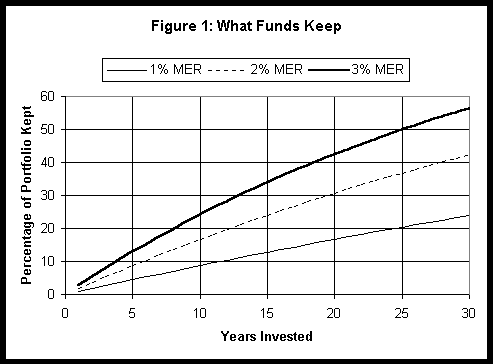
Investors track performance with an intensity that can cause them to overlook high fees. Most can save thousands of dollars a year by simply buying low-fee funds and trading infrequently. Although it may seem strange, some investors don't realize that they pay an annual fee for their mutual funds. This fee is called the Management Expense Ratio (MER) and is detailed in a fund's prospectus. The MER is a percentage that is automatically removed from a fund's performance. So, if your fund's investments gained 10% last year and it charged a 2.5% MER then its reported return would have been 7.5%. In this way the fee is hidden in the fund's performance numbers. The fees vary depending on fund type and may appear modest (See Table 1). However, due to the magic of compounding, these fees can take a big chunk out of your portfolio. Figure 1 shows the percentage of a portfolio that is consumed by fund fees assuming that the fund grows at 10% a year. In this case, after 25 years with a fund that charges 3% you would get half the profits and the fund the other half. Moving from percentage to dollar terms, Table 2 shows how much the investor pays for different MERs depending on the amount invested. A MER reduction of one percent can amount to thousands of dollars in annual savings for larger portfolios. For instance, if you have a portfolio worth $200,000 and reduce its MER from 3% to 2% you will save $2,000 in fees each year. Not only that, but after 25 years you will have kept about 65% of the gains instead of only 50%. As a result, it's prudent to weight both performance and fees equally when selecting funds.
Another common investment mistake is trading too frequently. Each trade may incur a commission but more importantly causes gains to be taxed. Figure 2 shows the performance of three investors who pay 20% of any gains to the taxman. The "Buy-and-Hold" investor gains 10% annually and is taxed only in the last year. The "Yearly Trader" also gains 10% annually but pays taxes each year due to frequent trading. The difference between the two is noticeable. Over 25 years compounding helps the buy-and-hold investor to the tune of about 1% annually. 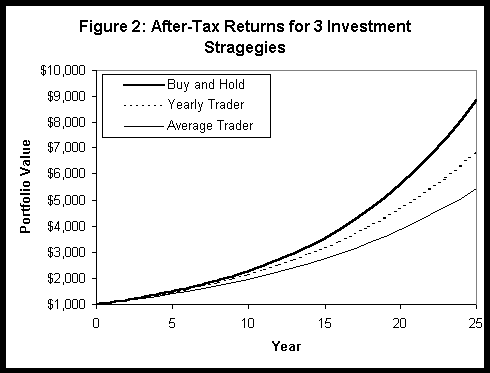
It also turns out that most investors are poor market timers. In the 1995 edition of The Journal of Portfolio Management, Stephen Nesbitt showed that fund investors lost about 1% a year by switching funds at the wrong time. I suspect that similar results hold for many stock pickers as well. The "Average Trader" in Figure 2 suffers from a 1% return reduction and only gains 9% annually. Of the three, the long-term buy-and-hold approach appears to be the most desirable on many fronts. Combining a low fee approach with a buy-and-hold strategy can pay big dividends for most investors. Your should look for savings in your portfolio. First published in April 2001. |
|||||||||||||||||||||||||||||||||||||||||||||||||||||||||||||||||||||||||||||||||||||||||||||||||||||||
| |||||||||||||||||||||||||||||||||||||||||||||||||||||||||||||||||||||||||||||||||||||||||||||||||||||||
| |||||||||||||||||||||||||||||||||||||||||||||||||||||||||||||||||||||||||||||||||||||||||||||||||||||||
| Disclaimers: Consult with a qualified investment adviser before trading. Past performance is a poor indicator of future performance. The information on this site, and in its related newsletters, is not intended to be, nor does it constitute, financial advice or recommendations. The information on this site is in no way guaranteed for completeness, accuracy or in any other way. More... | |||||||||||||||||||||||||||||||||||||||||||||||||||||||||||||||||||||||||||||||||||||||||||||||||||||||